Why Does My Glaze Have Pinholes? Causes and Fixes
· 3 min read
The glaze looks glossy and rich until you tilt the pot and see pepper-fine holes across it. Pinholes are one of the most common defects, and annoying because the cause could be the clay, the glaze, the application or the kiln. The pattern of the holes usually tells you where to look.
| Defect | What it looks like |
|---|---|
| Pinholes | Small, sharp holes through the glaze to the clay |
| Blisters | Bigger bumps or burst craters with rough edges |
| Crawling | Glaze balled up with large bare patches (see why glaze crawls) |
| Crazing | A web of fine cracks in an otherwise intact surface |
What’s happening
In the kiln, glaze melts into something sticky well before it flows smooth. Meanwhile the clay underneath is still giving off gas, and bubbles are rising through the glaze. If one pops while the glaze is still stiff, the hole stays. If the glaze keeps flowing long enough, it closes. So nearly every fix is either less gas or more time.
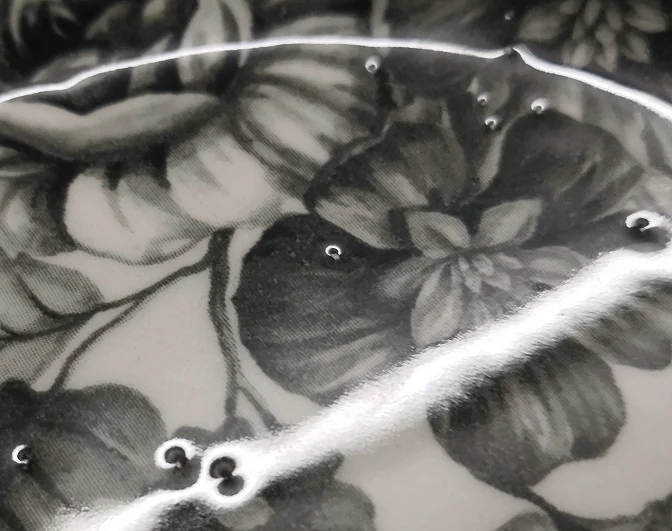
The bisque
Bisque that was underfired or fired too fast can still be holding gas (from organic matter, carbonates or sulfur) that comes out during the glaze firing, straight through the melted coat. Dust and sanding residue release gas or trap air too.
- Fire the bisque slowly through the first half and keep the kiln ventilated so organics burn out. Studios usually bisque around cone 06 to 04 (roughly 1,830 to 1,950°F).
- Clean the bisque before glazing, with a soft brush and a barely damp sponge. A sanding sponge used damp evens out rough spots without making dust.
Too much glaze
A thick coat gives bubbles more to travel through and traps air in the layer. If the holes sit where glaze pooled (inside bowls, around the base, in grooves), this is probably it.
- Brush or dip thinner and tilt the pot to even it out. The brush guide covers coats and pooling.
- If you mix from powder, measure with a hydrometer and run it through an 80 to 100 mesh sieve so lumps and trapped air stay out of the jar.
The clay body
Coarse, heavily grogged bodies and some dark stoneware give off more gas, and their surfaces are full of tiny pits for bubbles to start from. If a glaze is clean on smooth clay and pinholed on gritty clay, that’s your clue. A thin coat and a slow final climb help.
The firing
Fast firings don’t give glaze time to melt and level before cooling locks it in. Climbing quickly into the top range, or stopping the moment the cone bends, are the usual suspects. A slower final climb or a 10 to 20 minute hold at peak often fixes a recurring problem. Check with whoever runs the kiln, since other people’s pots are in there too.
The glaze
Some glazes are stiff or bubbly. Mattes and high-clay glazes are less fluid when molten, so bubbles have a harder time closing over. If one glaze pinholes no matter what you change, try a different glaze.
Reading the pattern
- Only where the glaze is thick: thickness or pooling.
- Everywhere, on one clay body: bisque or body.
- Everywhere, on one glaze: the glaze or how it’s applied.
- On every pot in one firing: the kiln schedule.
- Only inside bowls and cups: glaze pooled while dipping.
For thinner, cleaner glaze coats
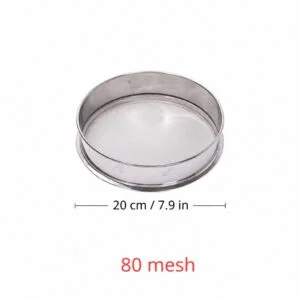
Use it for: Removing lumps and air from mixed glaze
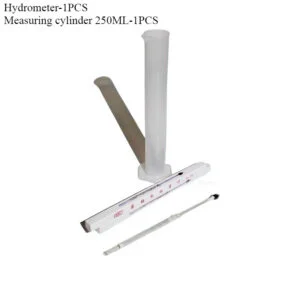
Use it for: Checking glaze thickness before you dip or brush
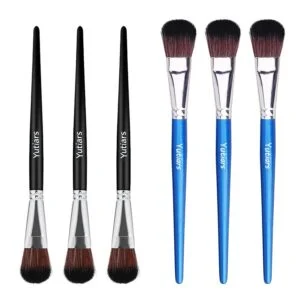
Use it for: Even, full strokes that avoid pooled glaze
Fixing a pot that has them
If it’s a mug, bowl or plate, fix it, because holes in a food surface hold liquid. The usual approach is a thin coat of the same glaze over the pinholed area and a refire, ideally with a hold at peak. Test on a spare first, and set the pot on a stilt or tile in case it runs.
If you’re not sure why the clay was gassy to begin with, the stages of clay and drying guides cover what happens before the glaze goes on.
Sources and further reading: Digitalfire: Pinholing.
Questions potters ask
What's the difference between pinholes and blisters?
Pinholes are small, sharp holes down to the clay. Blisters are bigger bumps or burst craters with rough edges. Both are gas, but blisters usually point to overfiring or very thick glaze.
Are pinholes a problem on a mug or bowl?
More hygiene than safety. Holes in a food surface can trap liquid and bacteria. Re-glaze and refire it, or keep it as decor.
Can I fix pinholes after firing?
Often. Brush a thin coat of the same glaze over the area and refire, ideally with a short hold at peak temperature. Test on a spare pot and ask your kiln operator.
Do some clay bodies cause more pinholes?
Yes. Coarse, heavily grogged bodies and some dark stoneware give off more gas and have rougher surfaces. The same glaze can be clean on a smoother body.
Does a longer glaze firing help?
Often. A slower final climb or a hold at peak gives the glaze time to flow and heal over. Check with whoever fires the kiln before you change anything.