Why Is My Glaze Crawling? Causes and How to Fix Them
· 3 min read
You open the kiln expecting a glossy surface and find bare clay with the glaze balled up in drops, like water on a waxed car. The causes are a short list, and you can usually tell which one by looking at where it happened.
It isn’t pinholing (tiny craters in an otherwise whole coat) or crazing (fine cracks across the fired surface). Crawling leaves real bare patches with rounded, glassy edges where the glaze melted and then retreated.
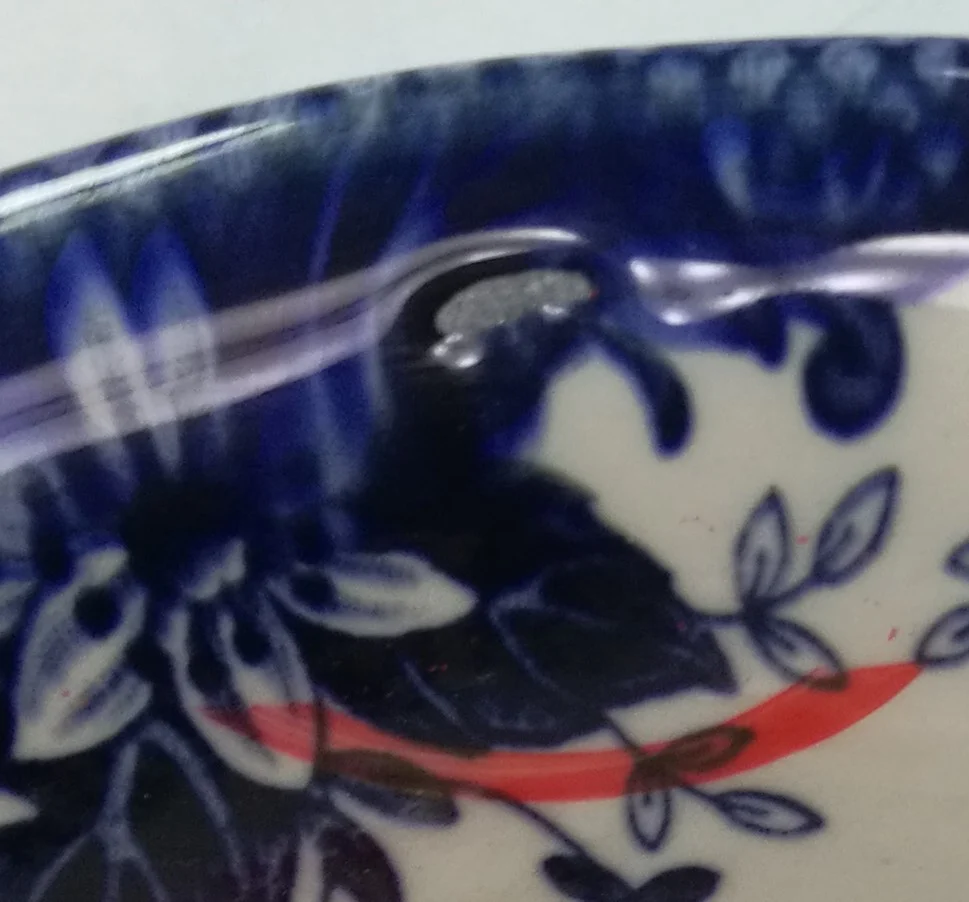
Dust, oil or grease on the bisque
Glaze has to bond to the clay, and anything in between gets in the way: sanding dust, kiln dust, hand oils, lotion, sponge residue. It’s the most common cause for beginners, and the cheapest to fix.
- Wipe the bisque with a barely damp sponge, or brush it with a soft wool brush. Let it dry a few minutes afterward, because wet pores take glaze unevenly.
- Handle pots by the foot. Skip the hand cream on glazing days.
- Keep glaze sponges and clay sponges apart.
The coat is too thick
Thick glaze dries by shrinking, and it can crack like a dry riverbed. It looks fine until firing, when the edges of those cracks round up and don’t rejoin. Hold the dried pot under a lamp and look across the surface. Hairline cracks show as thin shadows.
- Put the glaze on thinner with a full, soft mop brush, or dip for less time. How long is right depends on the glaze and how thick it’s mixed, so test on a tile.
- If you mix your own, check the density. A glaze hydrometer reads specific gravity, and many dipping glazes sit around 1.4 to 1.5. Follow your recipe, because thicker isn’t better.
- Rub cracked dry glaze flat with a clean finger, or wipe it off and recoat thinner.
Glazing over something slick
Crawling often starts where glaze sits on a dusty earlier coat, a wet underglaze that hasn’t set, or a spot where wax or oil ran. The pot looked fine going in. Let each coat lose its shine before the next, wipe wax drips with a damp sponge, and don’t glaze over dust you can see.
The glaze itself
Some glazes just do it more. Ones with a lot of raw clay, zinc or magnesium, and many zircon whites and mattes, shrink hard as they dry and bead up when they melt. If the coat is clean and thin, there are no cracks, and the same spot crawls every time, suspect the glaze. Strain it through a glaze sieve to get the lumps out, then ask your studio or the glaze maker whether it needs different handling.
Damp pots and glassy bisque
A pot that’s still damp from a wipe won’t take glaze like a dry one. And bisque fired a lot hotter than usual can be too dense to absorb water, so the coat sits on top and slides. If glaze runs off like paint on plastic, ask what the bisque was fired to.
For clean glaze application
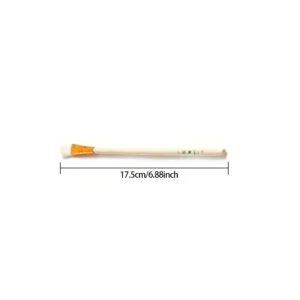
Use it for: Dusting bisque clean before you glaze

Use it for: Smooth, full strokes that avoid thick spots
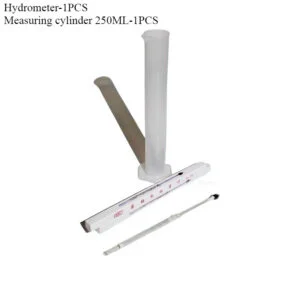
Use it for: Checking how thick your glaze really is
Rescuing a crawled pot
Two things to try: brush a thin coat onto the bare areas and refire, or refire as is and see if the glaze smooths over. Neither is a sure thing, and a second firing can make glaze run. Set the pot on a kiln cookie or glaze catch plate made for that firing temperature, so drips land there instead of fusing to the kiln shelf. A random tile from the hardware store isn’t one: it can crack or melt. Stilts work too, but only ones rated for your cone (many wire-pin stilts are for low fire only), and check with whoever runs the kiln first. If it’s a mug, look hard at any bare clay inside. Unglazed clay is porous.
For brushing technique, see choosing a glaze brush. For why bisque is the stage you glaze at, see the stages of clay.
Sources and further reading: Digitalfire: Crawling.
Questions potters ask
Is crawling the glaze's fault or mine?
Usually application: dust, oil or damp on the bisque, or a coat that's too thick. If one glaze crawls every time, even on clean pots with thin coats, the glaze is probably prone to it.
Why does it crawl at the rim and edges?
Edges and corners tend to get the thickest coat, and thick coats crack as they dry. Wipe off excess and keep edges thin.
Can wax resist cause crawling?
Yes, if a drip of it landed on a spot you glazed over. Glaze won't stick to wax, and it pulls away from that spot in the kiln.
Can I fix a pot that already crawled?
Sometimes. Add glaze to the bare patches and refire, or refire as is and see if it smooths out. Try it on a pot you can afford to lose, and ask your studio first.
Does glazing over underglaze matter?
It can. Underglaze that's dusty or thick can act as a barrier. Keep it thin and let it dry before glazing over it.