How Long Does Pottery Take to Dry Before Firing?
· Updated · 3 min read
Ask five potters and you’ll get “it depends” five times. It does. But it depends on things you can see, and you can test the answer instead of guessing.
Rough times
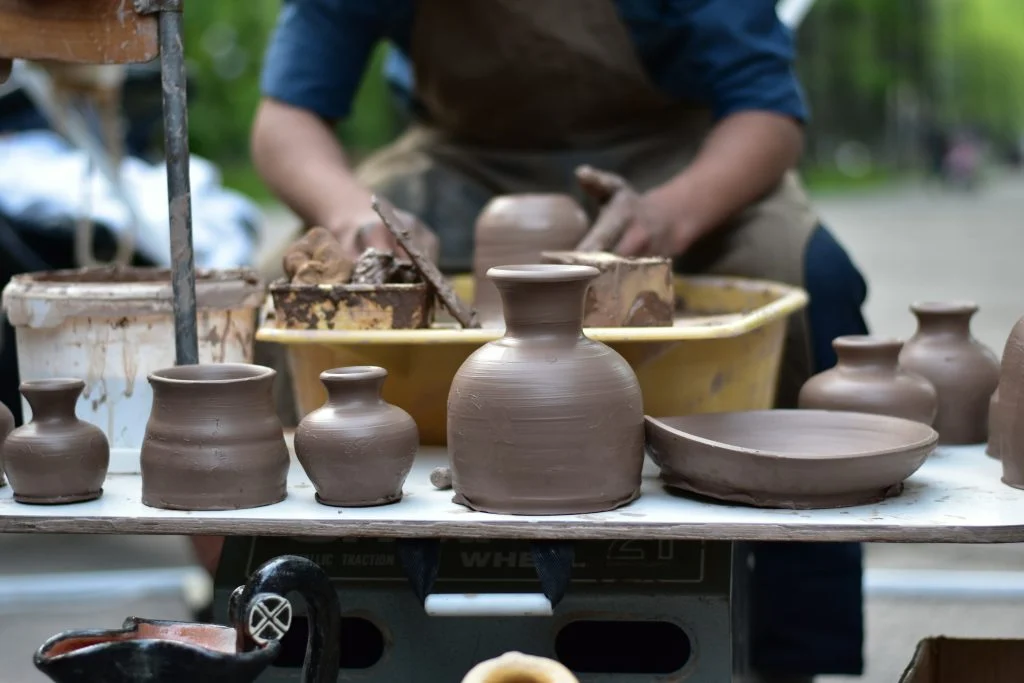
These assume a room around 65 to 75°F with moderate humidity, a pot covered at first and uncovered over a few days.
| Piece | Leather hard to bone dry |
|---|---|
| Ornaments, small tiles, thin jewelry | 2 to 4 days |
| Mugs, cups, small bowls | About a week |
| Plates, platters, wide bowls | 1 to 2 weeks |
| Vases, big planters, thick-walled jars | 2 to 3 weeks |
| Thick or hollowed sculpture | 3 weeks or more |
What moves the number
Thickness first. Water leaves through the surface, so the thickest spot (usually the base) sets the pace. Then humidity: a damp basement slows everything down, and a dry heated room in winter speeds it up, which is when the cracks show up. Airflow helps only if it reaches the whole pot. A fan on one side warps things. And the clay itself matters. Gritty, grogged bodies let water out easily; smooth porcelain holds on to it.
How to tell it’s bone dry
Cheek test: touch the pot to your cheek or inner wrist. Damp clay feels cool, dry clay feels like the room. Check the base last.
Color: most clay goes visibly paler. Again, the base lightens last.
Scale: the most reliable test. Weigh the pot on a kitchen scale at the same time each day. It keeps losing weight while it dries. When the number holds for a full day, the water’s gone. It takes thirty seconds.
Don’t speed it up
Heat guns, hair dryers, sunny windowsills and radiators all dry the skin of the pot while the middle is still wet. The skin shrinks, the middle doesn’t, and something gives (the cracking guide goes into it).
What helps without the risk:
- Set pots on something absorbent, like a fiberboard drying bat or plaster, so the base dries too. Flip flat pieces now and then.
- Take the plastic off a little more each day instead of all at once.
- Pick a draft-free, evenly warm spot, like a closet shelf. Not by a heater.
- Stand wide bowls and plates upside down once they’re firm, so the base gets air.
When you want it slower
Rims, handles, spouts and slab edges dry first, and the gap is what does the damage. Wrap them in a strip of plastic cling wrap and drape the rest loosely. Look again after a day. If the wrapped part and the open part feel equally cool, it’s drying evenly.
For drying slowly and evenly
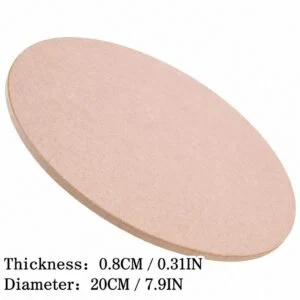
Use it for: Absorbent board that dries the base as fast as the walls
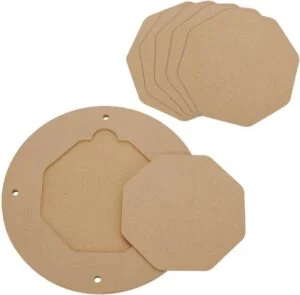
Use it for: Lifting wide pieces off the wheel without bending them
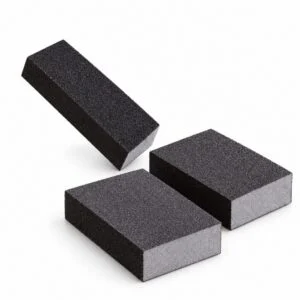
Use it for: Smoothing a bone-dry surface with water, not dust
If it isn’t dry
Water left in a wall turns to steam in the kiln and can crack, flake or burst the piece. Some studios run a slow warm-up at the start of a firing for borderline pieces, but nobody wants to count on it. If you share a kiln, ask how yours handles damp ware. The stages of clay guide covers what comes before and after this one.
Sources and further reading: Digitalfire: Drying performance.
Questions potters ask
Can I fire pottery that's still a little damp?
Don't. Water left in the clay turns to steam and can crack or burst the piece. If you're not sure, wait, or ask whoever runs the kiln.
Can I dry pottery in an oven?
It's risky. Hot, uneven heat dries the outside long before the inside, which is a classic way to crack a pot. A gentle, even warm spot with some airflow is safer.
Does pottery dry faster in summer?
Usually, but humidity matters more than heat. A warm, damp week can be slower than a cool, dry one.
How long after throwing can I trim?
A few hours to a couple of days. You're waiting for leather hard, not bone dry, and the size of the pot and the room decide it.
How long should I keep a new handle covered?
A day or two, with the handle loosely wrapped and the mug under light plastic, so the join dries along with the body. Then uncover a bit at a time.